Australians generate around 56 million Equivalent Passenger Units (EPU) annually. In the order of 20 million of those are processed by Tyrecycle. Tyrecycle is a leading business in the tyre recycling sector, playing a key role in sustainable waste management.
Tyrecycle holds long-term relationships for collection services with the major tyre manufacturers and retailers. We work with local councils and mining companies to ensure as many end-of-life tyres are recovered and processed, diverting them from landfill.
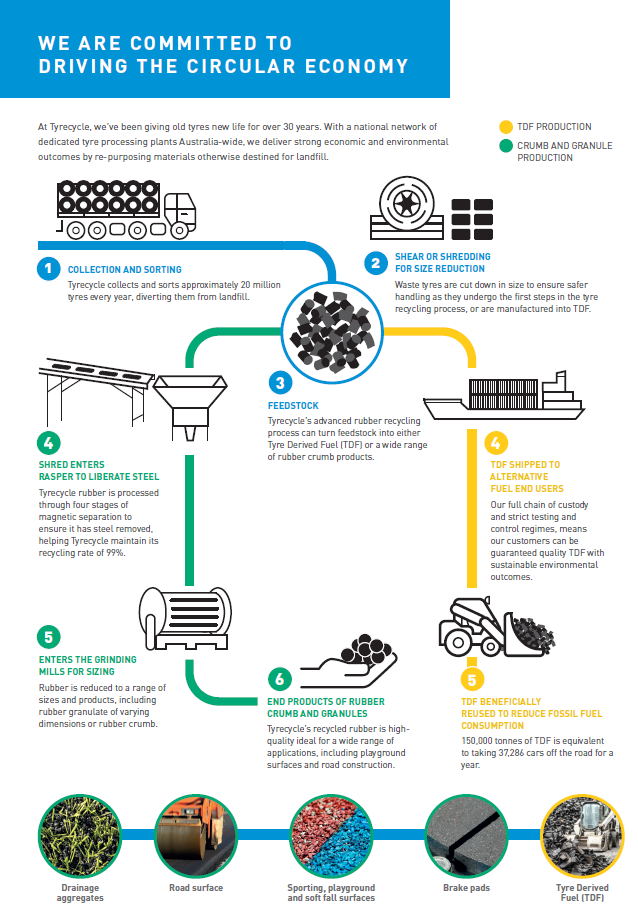
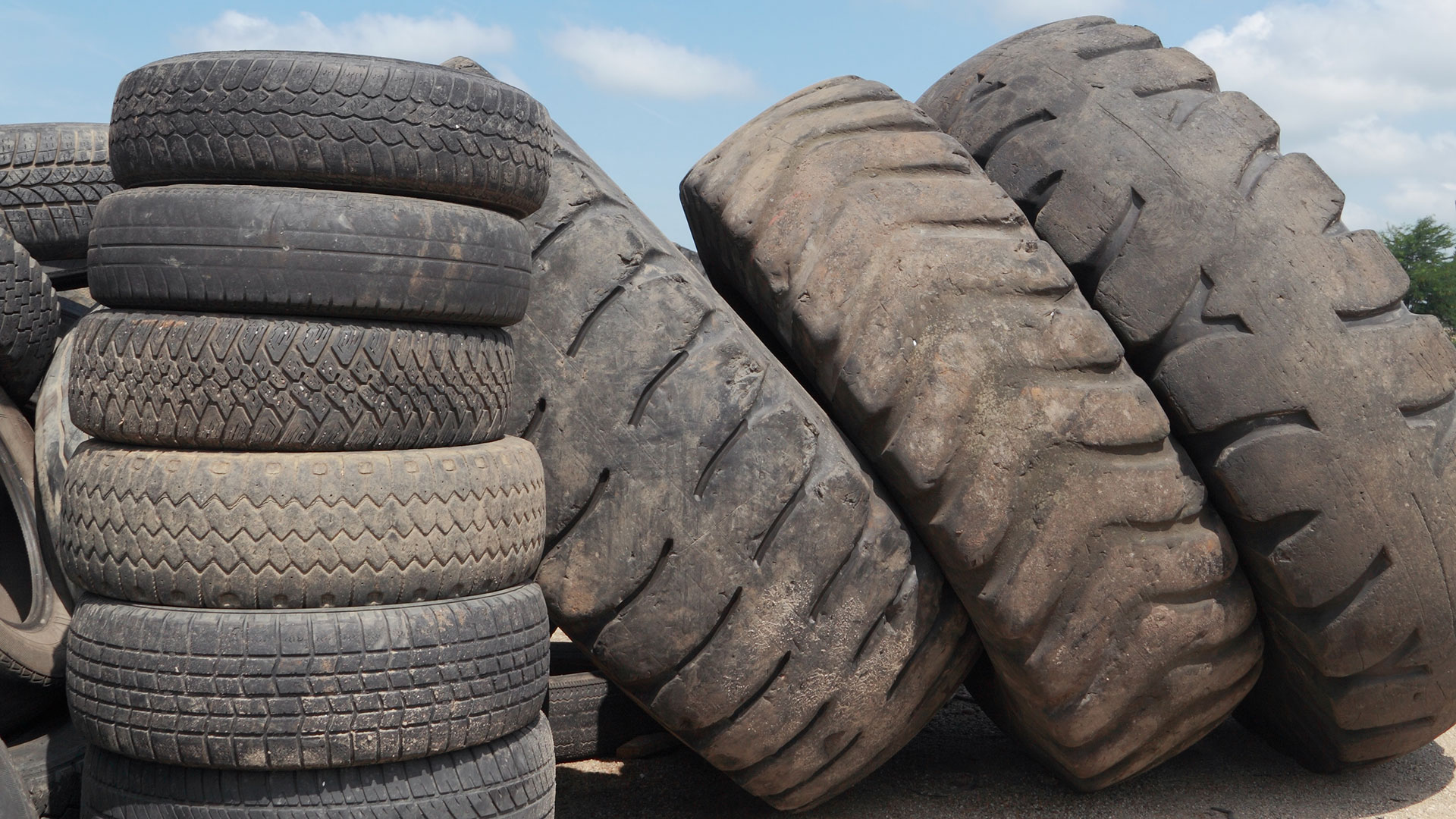
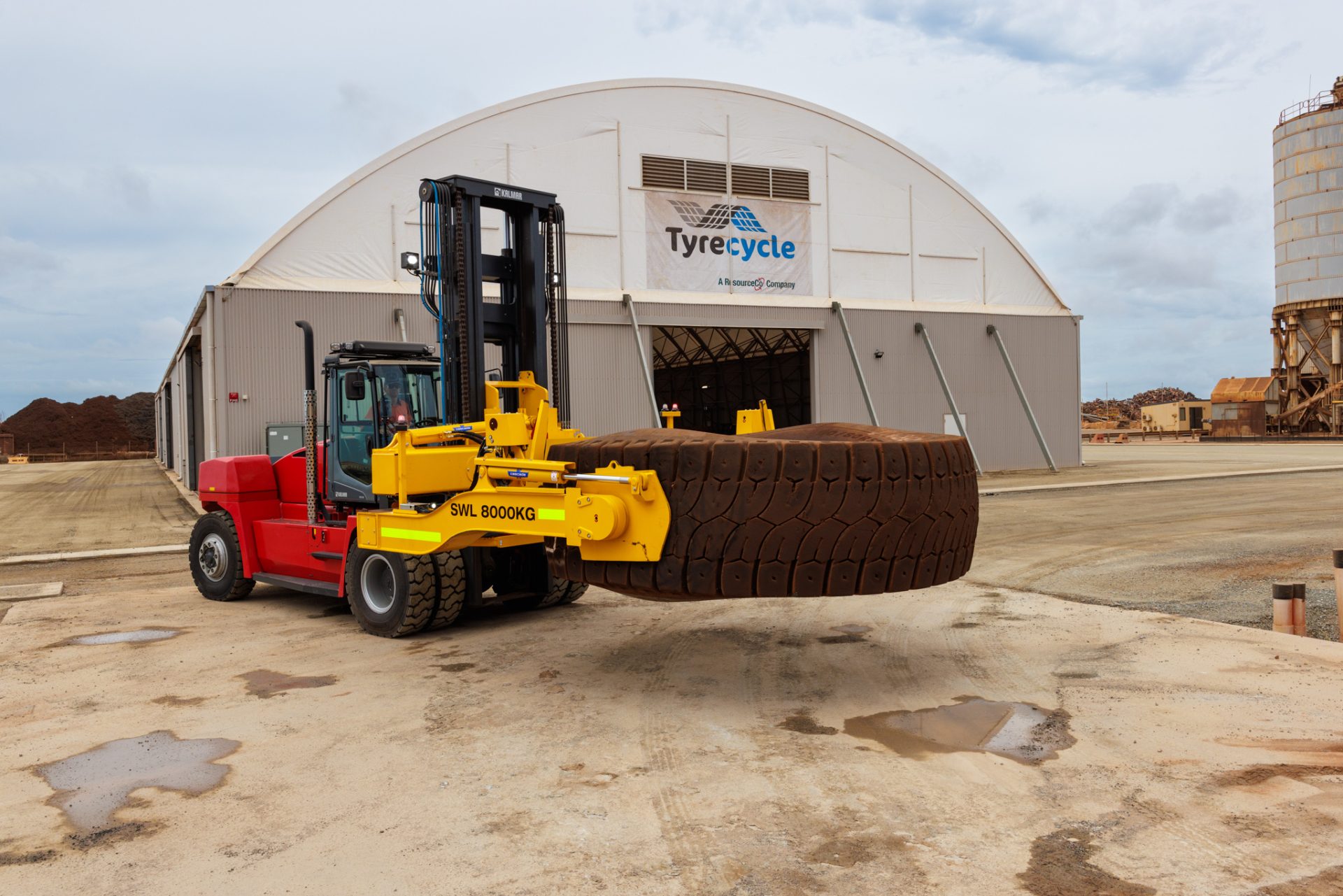
Tyrecycle collects over 150,000 tonnes of end-of-life (EOL) tyres and conveyor belts annually for repurposing at one of our 9 secure facilities. These include tyres from cars, truck tyres, and scrap tyres from various sources. Tyres can be dropped off at a Tyrecycle facility, and only tyres accepted by the facility will be processed. Our facilities are equipped with advanced technology for efficient recycling. Tyrecycle organises the collection of tyres Australia from a wide range of sources, ensuring responsible and standardised practices. Find out more about how these products are reused here.
Tyre management is a vital component of waste reduction and environmental protection in Australia. With millions of tyres reaching the end of their life each year, effective systems for recycling tyres and managing waste tyres are essential to prevent environmental damage and conserve natural resources. The Australian government has introduced a range of initiatives to encourage the recycling of end-of-life tyres, aiming to reduce the volume of tyres sent to landfills and promote sustainable practices across the industry. Tyre Stewardship Australia (TSA) plays a leading role in supporting businesses to recycle tyres responsibly, ensuring that waste tyres are managed in a way that benefits both the environment and the economy. By adopting best practices in tyre management, businesses and consumers can help extend the life of valuable resources, reduce waste, and support a cleaner, greener Australia.
Tyre Collection
The journey to recycle tyres begins with effective tyre collection. Used tyres are gathered from a variety of sources, including tyre retailers, auto brands, and individual consumers who have had their tyres replaced. Collection can take place at dedicated drop-off points or through partnerships with accredited recyclers, ensuring that old tyres are disposed of in an environmentally responsible manner. Tyre retailers and manufacturers play a crucial role by offering convenient collection services and encouraging consumers to return their used tyres rather than risk illegal dumping. By supporting responsible collection practices, businesses and consumers help reduce the risk of environmental damage, promote recycling, and ensure that waste tyres are managed safely from the very start of the recycling process.
Tyre Shredding and Processing
Once collected, tyres undergo shredding and processing to unlock their potential as valuable resources. The tyres are first shredded into smaller pieces, making it easier to separate the different materials contained within, such as rubber, steel, and textiles. Specialised equipment is used to process these materials efficiently and safely, ensuring that each component can be reused in the production of new products. The rubber can be transformed into tyre-derived fuel, rubber mulch, or other innovative materials, while the steel is recovered for use in manufacturing. By processing tyres in this way, we not only reduce the environmental impact of tyre disposal but also create a range of new products from what was once considered waste.
Tyre Recycling Technologies
Modern tyre recycling technologies have revolutionised the way waste tyres are processed and repurposed. Advanced methods like cryogenic grinding and pyrolysis enable recyclers to extract high-quality recycled materials from tyres, increasing the efficiency and safety of the recycling process. These technologies help divert more tyres from landfills and produce materials suitable for a wide range of applications, including civil engineering, road construction, and landscaping. By enabling the production of reliable, recycled materials, these innovations support businesses in reducing their environmental footprint and contribute to the development of new industries focused on sustainability and resource conservation.
Products Made from Recycled Tyres
Recycled tyres are given a new life as a diverse range of products that benefit both the environment and the economy. Tyre-derived fuel is used as an alternative energy source, while rubber mulch and steel products find applications in landscaping, civil engineering, and road construction. Recycled rubber is also used to manufacture new tyres and a variety of other products, reducing the need for virgin materials and conserving natural resources. Examples include rubber-modified asphalt for quieter, longer-lasting roads, softfall wetpour flooring for playgrounds, and durable gym mats. By transforming waste tyres into valuable resources, businesses help reduce waste, support sustainable development, and demonstrate the potential of recycling to drive a more circular economy.